Artificial intelligence is making its way into nearly every corner of the legal industry, from streamlining research to automating routine processes. And one area where its impact is growing quickly is in legal assignment.
For legal departments juggling high volumes of requests and matters, AI-driven legal assignment offers a smarter way to ensure the right tasks land on the right desks at the right time.
So, let’s discuss what legal assignment in AI means, how it works, and why it’s becoming essential for modern legal operations.
What is Legal Assignment in AI?
Legal Assignment in AI Definition
Legal assignment in AI refers to the use of artificial intelligence to allocate legal tasks, matters, or responsibilities to the right individual, team, or workflow.
Instead of relying on manual triage, such as reviewing email requests or intake forms, AI analyzes incoming information and determines the most appropriate destination for the work. This ‘destination’ can be a lawyer, self-serve contract generator, internal company policy resource, or more.

It’s important to note that this meaning differs from the traditional legal definition of “assignment,” which typically refers to the transfer of rights or obligations under a contract.
In the AI context, legal assignment is less about legal doctrine and more about operational efficiency: using technology to streamline how work is distributed and managed within the legal function.
How Legal Assignment in AI Works
Legal assignment in AI combines structured rules with intelligent analysis to decide where incoming work should go. The process generally follows three steps:
1. Intake and Analysis
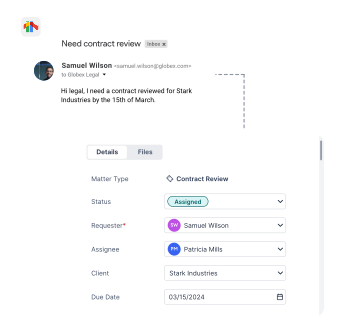
AI reviews requests, documents, or matter details as they are submitted (often through an intake form, email, or even a legal AI chatbot that gathers information from business users). Natural language processing (NLP) or keyword recognition helps the AI understand the type and context of the request.

2. Routing and Assignment
Based on criteria such as matter type, complexity, urgency, or lawyer expertise, the AI determines which person or team is best suited to handle the work. This reduces the need for manual follow-ups and ensures requests are directed consistently.
3. Automation and Refinement
Over time, AI systems learn from patterns and outcomes, improving their accuracy. Errors are flagged, rules can be adjusted, and assignment models can evolve to reflect changes in team capacity, priorities, or business needs.

Use Cases of Legal Assignment in AI
Legal teams can apply AI-driven assignment across a variety of workflows. Some key use cases include:
- Contract Management: Automatically directing different types of agreements (i.e. SaaS contracts, NDAs, or data privacy addendums) to the right subject matter expert or contract generator.
- Legal Intake: Categorizing and assigning requests from business teams without requiring a lawyer to manually review each submission, often supported by AI legal tech solutions like Checkbox.
- Regulatory and Compliance Matters: Escalating issues flagged as high-risk or time-sensitive to senior counsel for immediate handling.
- Workload Balancing: Distributing incoming matters evenly across the team, taking into account current capacity and expertise.
By embedding AI into these use cases, legal teams streamline repetitive decision-making, reduce delays, and ensure that matters are handled by the right people from the start.
Benefits of Legal Assignment in AI
For legal teams, how work is assigned can make the difference between smooth operations and bottlenecks. AI-driven legal assignment, often built into modern in-house legal software, offers several advantages:
- Efficiency: Automating task distribution reduces the time lawyers spend triaging requests, freeing them to focus on higher-value work.
- Visibility: Clear, consistent assignment ensures every matter has an accountable owner, creating a reliable record of who is handling what.
- Workload Balance: AI can distribute tasks fairly across the team, helping prevent overloading certain lawyers while others are underutilized.
- Better Outcomes: With faster routing and balanced workloads, legal teams can respond more quickly, align more closely with business needs, and generate data that informs future resource planning.
In short, legal assignment helps create a foundation for legal teams to operate more effectively and demonstrate their value to the business.
As legal teams look to scale their impact, AI-driven assignment is becoming an essential part of modern AI tools for legal departments.
Curious how this could work for your team? Book a demo to see AI legal assignment in action.
Frequently Asked Questions
Why should in-house legal teams adopt AI tools for assignment?
AI tools for legal assignment helps in-house teams respond faster, manage workload more effectively, and demonstrate value to leadership. It ensures no request falls through the cracks and every matter has a clear owner.
How does in-house legal software improve assignment of AI-related matters?
In-house legal software like Checkbox centralizes intake, automates routing, and ensures AI-related matters are assigned based on expertise and urgency. This reduces manual admin, improves visibility, and creates a single source of truth for the legal team.
What legal risks arise when assigning AI-generated outputs?
The main risk is unclear ownership or lack of enforceability. Checkbox supports in-house teams by centralizing intake and assignment so that risks are escalated quickly and managed with a clear audit trail.
How does an AI legal chatbot support legal assignment?
An AI legal chatbot can capture intake information directly from business users. It then routes requests instantly to the right lawyer or self-serve workflow.
What are the benefits of using AI legal tech solutions for assignment?
AI legal tech solutions like Checkbox streamline legal assignment by automatically routing matters, reducing triage time, and balancing workloads. This helps in-house teams work faster and provide clearer visibility into performance.
How does AI-powered legal assignment support compliance management?
Legal tech platforms like Checkbox automatically flag and route compliance-related matters to the right specialists. This ensures timely handling, reduces risk, and maintains a clear audit trail for regulatory purposes.